What to Do After a Car Wreck in Houston
If you can safely do it, try to slow the situation down and document what happened. People often feel rushed, but a few minutes of careful steps can prevent headaches later with both medical care and insurance.
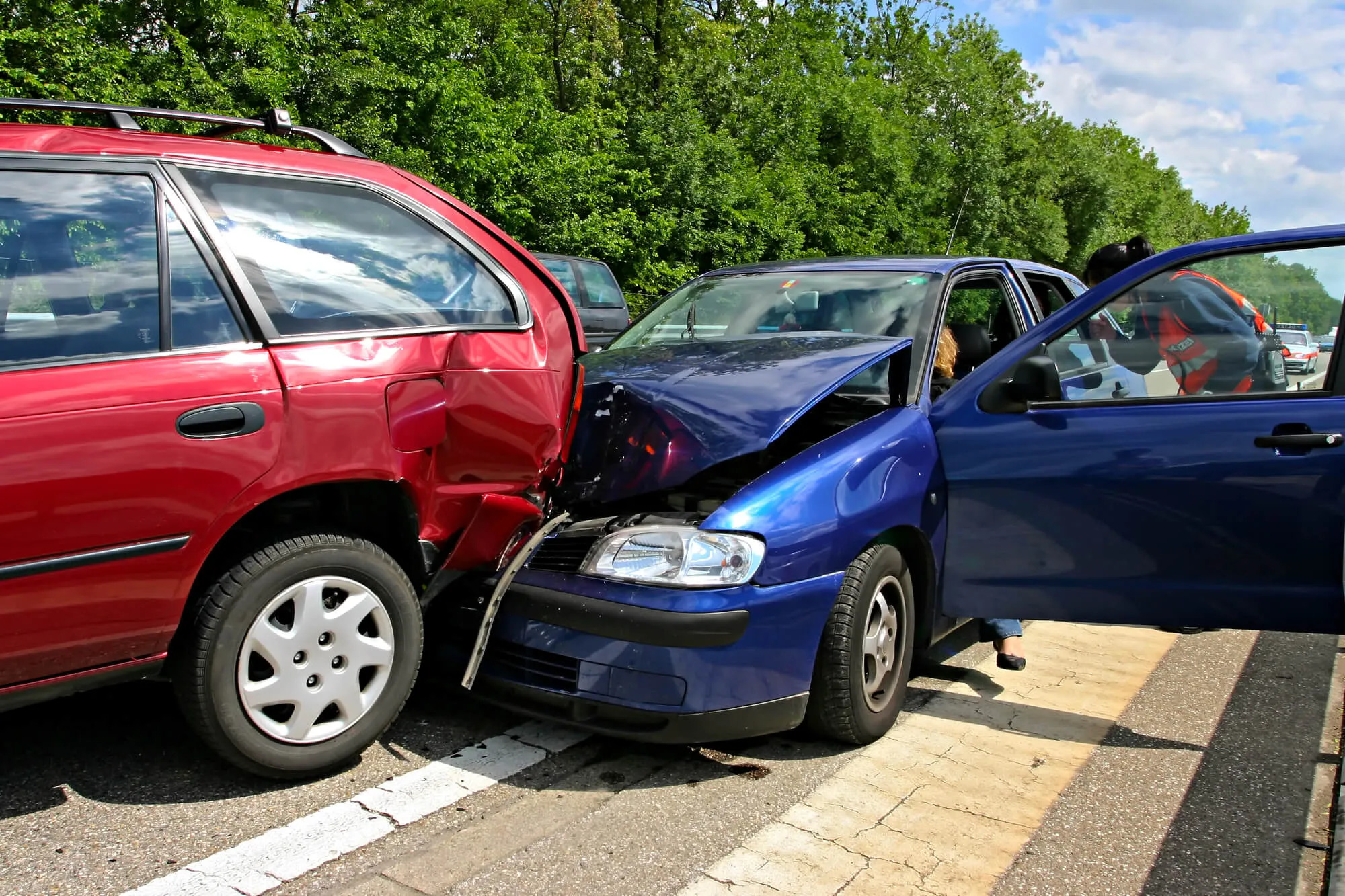
At the scene, focus on safety first. If no one is seriously hurt and the cars can move, getting out of traffic can reduce the risk of a second crash. The Texas Department of Insurance also recommends gathering driver information, taking pictures, talking to witnesses, and writing down details like time, location, weather, and what happened.
After you get home, keep a simple folder for everything related to the wreck. That includes tow receipts, rental car paperwork, medical visit summaries, prescriptions, and any emails or letters from insurance.
How to get your Houston Accident report
Your crash report can matter because it usually contains driver details, insurance info, and the officer’s recorded narrative and diagram. TxDOT recommends obtaining a copy of a Texas Peace Officer’s Crash Report using its Crash Report Online Purchase System.
If you do not see your report available right away, it may not have been submitted or processed yet. If you are unsure what you need to request, the TxDOT page explains who can request a report and has references to the Transportation Code section that governs the release of crash reports.
Dealing With Insurance After a Houston Car Accident
Insurance can feel like a second job after a crash. You may be handling two separate tracks at once: the property damage claim for your vehicle and the bodily injury side related to medical care and time off work. It is easy to assume they move together, but they often do not.
If you are filing a claim, the Texas Department of Insurance recommends keeping receipts for repairs and not making permanent repairs until the adjuster has inspected the damage.
It can also help to understand what your policy can cover before you agree to anything. TDI’s auto insurance guide explains common coverages like collision, comprehensive, and medical payments coverage, including that medical payments coverage can pay medical bills for you and passengers.
Injuries That Often Show Up After a Houston Car Crash
Some symptoms appear right away, and some get worse over time. If you are feeling worse a day or two after the wreck, that's very common and is one reason follow-up care matters. From a practical standpoint, it also creates a clearer medical record that connects the crash to your symptoms.
A helpful approach is to keep your own timeline. Write down the date of the crash, when symptoms started, what makes them worse, and what activities you had to stop doing. This is especially useful for neck and back pain, headaches, sleep disruption, and numbness or tingling that may come and go.
If your doctor gives work restrictions, keep them. Missed time and reduced duties often become a major part of damages, and those restrictions are usually the clearest proof you can have.
What Compensation Can a Houston Car Wreck Claim Include?
Compensation is usually meant to cover what the crash cost you, not just what you paid on day one. The most common categories are medical costs, time away from work, and the impact of the injuries on your day-to-day life.
In addition to obvious bills, people often forget to track:
-
Mileage or transportation costs to appointments.
-
Prescription costs and medical supplies.
-
Out-of-pocket payments for imaging, copays, or braces.
-
Lost overtime, missed bonuses, or the inability to do physically demanding work.
-
Help you needed at home while recovering.
If the injury causes ongoing limitations, future costs matter too. That can include follow-up care, physical therapy, injections, future procedures, and reduced ability to earn.
Texas Deadline to File a Car Accident Lawsuit
Deadlines matter even if you are still treating. If you wait too long, you can lose leverage or lose the ability to file a lawsuit, depending on the facts and the legal deadline. In Texas, the deadline to file is typically 2 years after your car accident.