

Why You Need a Houston Burn Injury Lawyer
Navigating Burn Injuries in Houston
Unexpectedly common, burn injuries bring intense physical suffering alongside lasting emotional harm. Within the industrial zones surrounding Houston, such trauma frequently arises from conditions associated with regional operations, including refinery and petrochemical facilities. Instead, expert legal guidance tailored to area-specific risks becomes necessary for achieving fair outcomes. Fair resolution typically depends on a Houston Burn Injury Lawyer familiar with complex workplace environments.
Industrial Risks: The Petrochemical Strip
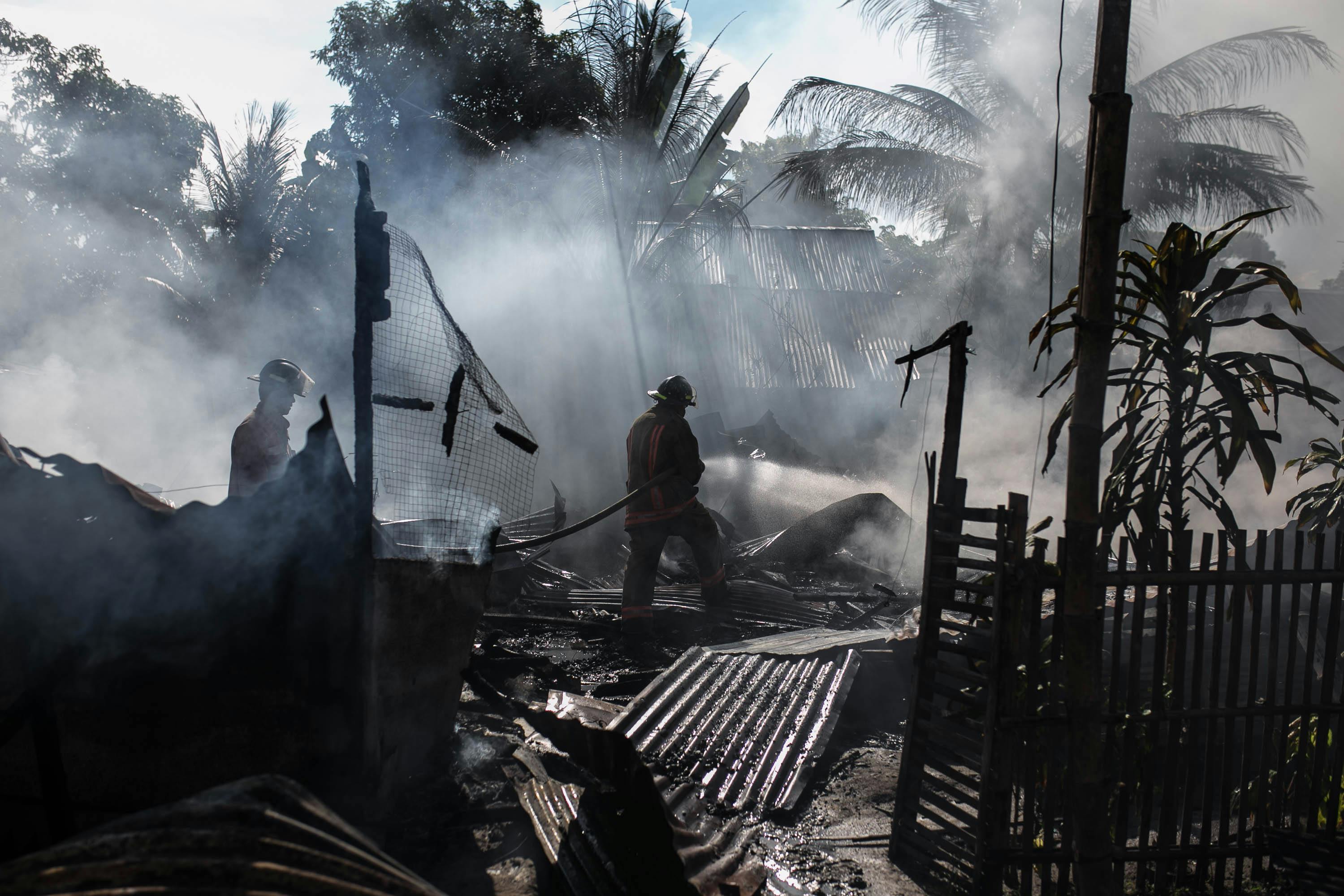
Among the most common incidents causing burns near Houston, refinery events stand out. Along the "Petrochemical Strip" stretching through Deer Park, Pasadena, and Baytown, massive energy operations dominate the landscape. If procedures meant to protect workers get set aside for output goals, sudden fires may follow. These sites house global chemical and oil & gas plants where burn injury risks grow when oversight slips.
Invisible Dangers: High-Pressure Steam
A common occurrence, steam carries extreme heat under pressure inside refineries all along the Gulf Coast. When a tiny break forms due to poor maintenance or improper upkeep, injury follows without warning. Steam burn injury damage reaches deep into the tissue of victims within moments of exposure, making it one of the most potentially lethal burn hazards here.
Residential Fires and Property Negligence
Fires in homes often trace back to neglected buildings or other properties. Particularly in Houston, where city growth outpaces regulation, older rentals multiply and quickly fall into disrepair. Since the city grows fast, without standard zoning rules to guide safety, these conditions allow outdated structures to remain occupied. Most commonly, faulty wiring, blocked exits, and missing detectors contribute to burn dangers. What's worse, landlords often skip upgrades, cutting costs over remaining in compliance, and code violations pile up unnoticed. Over time, risk builds quietly within walls, and the safety gaps widen where oversight fades.
Electrical Failures and Aging Systems
Fires sparked by outdated electrical systems often lead to burns and fire hazards across homes in Houston. Caused by aging aluminum circuits, fire and burn danger grow if concerns go unaddressed, and these systems are not brought into code. Property owners may face responsibility when warning signs like flickering sockets are overlooked. When someone is eventually injured, liability emerges not from willful intent but from wanton neglect.
The Failure of Life-Safety Equipment
When fires occur, one key concern becomes apparent: were the proper safety systems in place? A Houston burn injury victim's attorney checks if functional smoke alarms existed and were activated, if fire extinguishing equipment was ready for use, and if exit paths remained open and usable. Across numerous apartment buildings, especially located in lower-income sections of North and Southeast Houston, such safeguards often do not exist at all. This fact opens up the possibility for large potential harm and liability for the owners and operators of such properties.
Environmental Triggers and Utility Hazards
In weather-prone areas like Houston, when storms hit, power systems often fail. Houston faces hurricanes, drought conditions, and occasional sudden cold snaps. These conditions, unfortunately, lead to an unusual rise in certain types of burn injuries. Extreme weather here is closely linked to utility disruptions, and such outages contribute directly to specific types of harm.
Electrical Burns and Grid Mismanagement
A single oversight by an energy provider like CenterPoint may leave fallen electrical wires live following a storm. Or, when floodwaters cover an electrical network, power might still flow without proper shutdown procedures. After or even during a storm, touching these conductors can lead to severe tissue damage from electric current. For those who do survive, it sometimes comes at the cost of losing limbs.
Product Liability: Dangerous Consumer Goods
Every year, some Houston residents suffer burns from everyday items meant to be safe. When harm occurs, responsibility often falls on those who made or sold the item. Legal principles around these cases rest heavily on whether the product failed its intended safety role.
Battery Instability and Thermal Events
Fires sparked by lithium-ion batteries appear in devices like e-cigarettes and electric scooters when flaws lead to venting or bursts. In these instances, burn injuries reach deeply into the skin, often affecting legs or facial areas. Though relatively small, these power sources carry large risks if instability arises during operation.
The Path to Recovery: Medical and Legal Complexities
A burn injury stands apart from typical injury cases due to itscomplexity. Because of the severity, specialized treatments often define the medical path victims must take. Legal handling demands rare expertise as well, since what follows is rarely straightforward. Each burn injury case builds on complex details. Legal expertise in burn injuries shapes outcomes more than in almost any other case type here.
Multi-Phase Life Care Planning
In planning for recovery, a Houston Burn Injury Lawyer considers future costs alongside present ones for the victim. In these instances, healing unfolds across stages of treatment, each demanding attention. Financial planning spans years, sometimes decades, as medical needs shift over time. The Initial treatments always differ from long-term care, and adjustments arise as healing progresses.
Surgical Intervention and Donor Sites
During burn injury surgery, multiple skin grafts may have to be taken, where healthy tissue is moved from one area to another. This transfer of skin leads to fresh injuries from the donor locations. Even more difficult, these procedures repeat when needed, and healing begins only after each step. With years of surgery and sometimes hundreds of procedures, the costs can be astronomical.
The Psychological Impact of Disfigurement
Emotional wounds frequently resonate with jurors in Houston. Injuries without visible marks, such as PTSD, can carry significant weight during deliberation. Feelings of loss due to a forever-changed appearance may lead to long-term psychological strain. Rebuilding a sense of normalcy after burn trauma always involves challenges beyond physical recovery. As a result, Mental health consequences are recognized within legal compensation frameworks, and Houston Burn Injury Lawyers specialize in these recoveries.
Confronting Corporate Defense
When a burn injury happens at a large plant site, such as an ExxonMobil or Shell operation, or within a regional restaurant network, legal representation becomes critical. Following burn injury events, these corporate entities typically activate their own specialized investigative units and legal teams to begin their defense. These groups focus on reducing perceived corporate responsibility by redirecting the fault of the burn injury toward the injured individual.
Leveraging Federal and State Investigations
When burn incidents occur, outcomes from OSHA inspections may support evidence of rule breaches. Findings issued by the Chemical Safety Board (CSB) can also serve as reference points under review. Regulatory gaps sometimes become clear only after independent analyses follow agency reports. Clarity often comes through comparison, not single assertions.
Restoring Accountability
Healing takes time when flames strike in places nobody expects. Where industry thrives, like in Houston, fires and burn injuries often follow overlooked risks. A blast near the ship channel, from an unstable device at home, or unattended electrical hazards can spark costly consequences. These failures lead to deep scars that are both physical and financial.
Life shifts when burn injuries leave their mark; suddenly, healing extends beyond just the skin. In Houston, legal representation becomes the line drawn against companies that hope silence follows injuries they have caused. Responsibility matters; assigning it reshapes outcomes. When accountability takes hold, recovery gains ground while safety improves for others down the road.