



Houston Refinery Accident Lawyer: Why These Accidents Are Different
The Houston Exception: Why Refinery Accidents Here Are Different
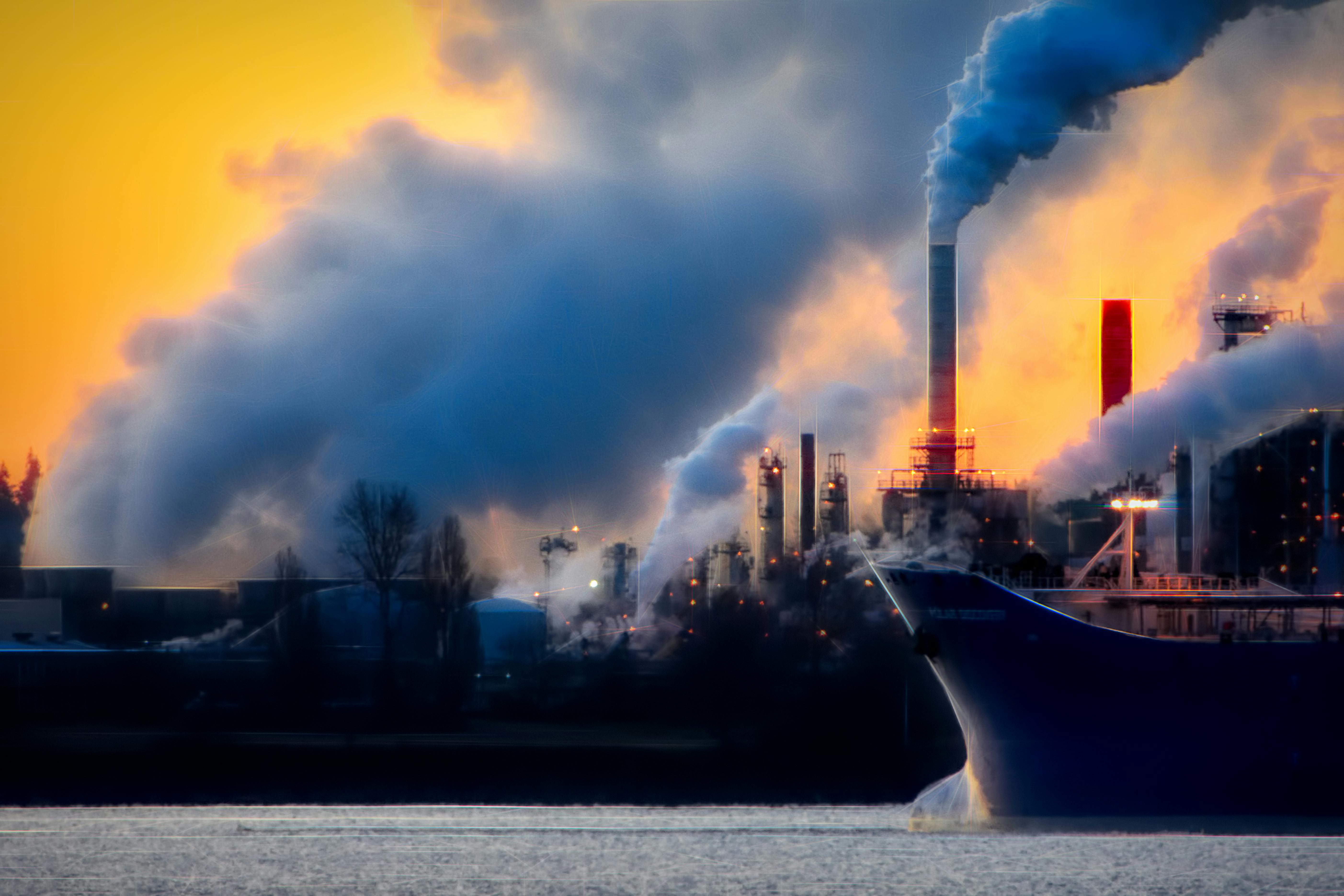
Refinery accidents happen around the world, but in Houston, they follow a unique pattern. This region’s geography, industrial build‑out, and relaxed regulatory landscape combine to create conditions unlike almost anywhere else. Along the Houston Ship Channel, heavy manufacturing sits side by side with schools, neighborhoods, and waterways. When something goes wrong at a refinery, the effects rarely stop at the facility fence. A single fire, leak, or explosion can send shockwaves, both literal and economic, across entire communities.
Understanding what makes a Houston refinery accident different requires looking at more than the moment of impact. It involves how industries were allowed to cluster, the lack of zoning that placed homes near smoke stacks, the weather events that magnify failures, and the way Texas law handles injury claims when massive corporations are involved. For injured workers or nearby residents, this mix turns an already complex situation into one of the most challenging forms of litigation a Houston refinery accident lawyer can take on.
Industrial Density and the Domino Effect
The Houston‑Galveston region refines close to one‑third of all petroleum processed in the United States. Unlike refinery systems in other major cities, Houston’s equipment operates in tight clusters. Once one plant’s boundary ends, another’s begins. Power lines, steam systems, and pipelines interconnect many facilities. This arrangement creates operational efficiency but also raises the risk that one failure cascades quickly into others.
When a single spark or pressure change sets off an explosion, nearby refineries can face secondary fires, ruptured lines, and supply interruptions. For example, a rupture at one site may trigger emergency releases at another location down the Ship Channel to relieve stress in shared pipelines. A refinery accident that starts in Pasadena or Deer Park can spread its impact to Port Houston or Baytown. Because the area handles critical energy infrastructure, these chain reactions also rattle markets and transportation systems far from Texas.
A refinery explosion lawyer in Houston often begins an investigation by tracing how these system links contributed to the scale of an incident. Determining where one company’s responsibility ends and another’s begins is one of the most technical aspects of these cases.
Living Beside Industry: The Fenceline Reality
Unlike many metropolitan areas, Houston has no formal zoning ordinance. Refineries and petrochemical plants were built decades ago on cheap land that has since been surrounded by neighborhoods. In communities such as Manchester, Galena Park, or Deer Park, it is common to see apartment complexes across the street from pipelines or children’s playgrounds in view of flare stacks. A fence may mark a boundary, but it does not block fumes, vibrations, or airborne dust.
When an incident occurs, residents often experience it firsthand. Windows rattle, air quality alerts go out, and parents rush to pick up children before schools close. Even small leaks can push volatile organic compounds like benzene or toluene into the air. For vulnerable populations with asthma or heart conditions, these exposures can cause immediate harm. Over the years, studies have shown higher rates of respiratory illness and some cancers in postal codes closest to refineries.
A Houston refinery injury lawyer investigating community claims must link symptoms or exposures back to precise events. That often involves not only medical documentation but also environmental sampling to prove when and how a harmful release occurred.
Shelter‑in‑Place: The Normalization of Emergencies
In many Houston neighborhoods, shelter‑in‑place warnings have become routine. Sirens sound, residents seal doors and windows, and HVAC systems are switched off. The goal is to keep out invisible gases that can irritate lungs or cause dizziness and nausea. These alerts can last hours, disrupting schools and workplaces. For those living close to refineries, the repeated drills blur the line between safety precaution and daily normalcy.
This constant exposure changes how local people view danger. Families often keep tape, towels, and bottled water near air vents as routine supplies. While businesses continue production, residents bear the stress and uncertainty that accompany each alarm. Over time, the constant risk of exposure starts to feel inevitable rather than preventable, a reality that underscores why Houston’s refinery landscape demands stronger accountability.
Toxic Concentration and Health Impacts
When refinery explosions send plumes into the air, the chemicals that escape are not smoke alone. They can include sulfur dioxide, hydrogen sulfide, and fine particulate matter that settles into homes and waterways. Because industrial zones here are intertwined with residential communities, exposures reach thousands rather than a few isolated workers.
Epidemiological data show that certain census tracts near the Ship Channel have higher rates of chronic respiratory disease and some forms of cancer. While proving direct causation in court is complex, an experienced refinery explosion attorney in Houston builds connections between emission reports, wind direction data, and health records to show long-term exposure patterns.
The Regulatory Landscape in Texas
Texas is known for its business‑friendly climate, and refinery regulation reflects that philosophy. State agencies often take a lighter enforcement approach than their federal counterparts. This balance has economic advantages but creates serious gaps when accidents occur.
Self‑Reporting and Delayed Disclosure: In Texas, industrial facilities often conduct their own reporting after incidents. That means data about chemical releases can take hours or even days to become public. Residents may remain unaware of the actual substances involved while being told to stay indoors. Delays also hinder first responders who must assess risks without complete information.
Non‑Subscriber Laws: Texas allows many employers, including refineries, to opt out of the traditional workers’ compensation system. These “non‑subscriber” companies avoid paying standard premiums, but they also lose certain legal protections. Workers for these refineries cannot automatically claim benefits after an injury. Instead, they must prove negligence in court, often with the help of a Houston refinery accident attorney. Although this route demands more documentation and effort, successful cases may result in larger recoveries because they are not limited by workers’ compensation caps.
NaTech Events: When Nature Triggers Industry Failure
Houston’s proximity to the Gulf of Mexico introduces another danger that is rare elsewhere. Extreme weather can transform ordinary industrial interruptions into disasters. These situations are known as NaTech events, short for Natural‑Technological disasters.
Hurricanes and Floods: During Hurricane Harvey in 2017, seawater and rainfall disabled critical infrastructure across the region. Flooded transformers and loss of power knocked out cooling systems essential for chemical stability. Without proper temperature control, reactive compounds ignited, such as the organic peroxides that burned at the Arkema plant in Crosby.
Freezes and Grid Failures: In 2021, Winter Storm Uri froze pipelines and halted control systems. When electronic safeguards failed, dangerous pressure built inside refinery units, leading to emergency flares and accidental releases. These weather‑driven breakdowns reveal how dependent Houston’s refining complex is on both climate and the state’s fragile power grid.
A Houston refinery accident lawyer handling NaTech claims must combine environmental law knowledge with industrial safety analysis. Liability may extend beyond one company; power providers, equipment contractors, and even local agencies may share responsibility when infrastructure fails.
Legal Challenges: Facing Corporate Power
When a refinery worker is injured or a resident is exposed to toxic emissions, the legal battle that follows is rarely equal. Major corporations such as Shell, ExxonMobil, or BP deploy internal investigation teams within hours of an incident. They often include engineers, corporate attorneys, and crisis managers whose goal is to control information and reduce liability.
Preserving Evidence: One of the first tasks for a Houston refinery explosion attorney is to secure the scene. Lawyers often request a temporary restraining order (TRO) to prevent companies from altering equipment or removing debris before independent experts can examine it. Photos, physical samples, and control system logs can later prove whether safety valves failed or warning alarms were ignored.
Digital Forensics: Today’s refineries rely on Distributed Control Systems (DCS) that continuously record readings like temperature, vibration, and pressure. These digital “black boxes” tell the story of a disaster second by second. Expert teams hired by plaintiffs analyze this data to determine if operators missed critical alerts or bypassed safety protocols.
Without these steps, key facts disappear, leaving victims with assumptions rather than evidence. Successful refinery accident litigation depends heavily on data preservation during those early days.
The Physics of Catastrophe: Scale, Shrapnel, and Invisible Trauma
When a process unit fails inside a refinery, the energy release can equal multiple tons of TNT. Steel fragments become projectiles, and the shockwave travels across miles of city streets. Homes vibrate, windows crack, and unsuspecting bystanders may suffer injuries from the blast pressure alone.
Medical staff sometimes see victims who appear unhurt initially but develop shortness of breath or confusion later. These are signs of “blast lung” or mild traumatic brain injury, caused not by debris but by sudden pressure change. A refinery injury lawyer in Houston understands that these hidden injuries often require extensive diagnostic work to document properly for claims or trial.
Aging infrastructure makes these events more likely. Several Houston refineries include equipment originally installed more than 80 years ago. When corrosion or fatigue sets in, even a small mechanical flaw can lead to catastrophic results.
Navigating the Path to Justice in Houston
The legal journey after a refinery accident is not simple. It unfolds at the intersection of workplace law, environmental protection, and product liability. Each case involves multiple parties, plant owners, equipment manufacturers, subcontractors, and sometimes government agencies.
A local Houston refinery accident lawyer coordinates these efforts, often working with metallurgists, toxicologists, and former refinery inspectors to reconstruct what went wrong. The process usually includes:
-
Initial investigation and site review before cleanup removes evidence.
-
Collection of injury and exposure documentation from hospitals and medical experts.
-
Coordination with environmental consultants to correlate emissions or leaks to affected areas.
-
Negotiations with corporate insurers that typically begin months after incident reports finalize.
-
Litigation and discovery, where subpoenas and depositions reveal internal safety practices.
-
Settlement evaluation or trial preparation, depending on whether fair compensation is offered.
Because these cases involve industrial giants, negotiations can stretch for years. Patience and precision determine outcomes more than speed.
Why Local Knowledge Matters
Many attorneys handle injury cases, but refineries function within a distinctive framework of chemical engineering and local history. A Houston refinery explosion lawyer brings knowledge of state regulations, nearby facility layouts, and past incidents that often show patterns of negligence. Understanding the culture of industry in Harris County and its satellite towns helps identify where shortcuts and cost cuts frequently occur.
Equally important is familiarity with local courts. Judges and juries in Houston have seen refinery cases before and expect clear technical explanations. A lawyer who can translate complex mechanical issues into relatable terms will always hold an advantage.
Accountability and the Human Cost
Each headline about a Houston refinery accident tends to focus on flames, sirens, or evacuation orders. What continues afterward, often out of view, are the months of surgeries, lost income, and emotional trauma experienced by victims and families. Explosion survivors face not only visible burns but lasting anxiety whenever industrial sounds echo nearby. Families living within the “fenceline” struggle to sell homes placed too close to chemical plants to attract buyers.
Through litigation, victims seek more than financial relief; they seek change. Successful cases push companies to improve maintenance, update alarms, and enforce stricter inspections. Holding corporate defendants accountable not only compensates those harmed but also discourages future shortcuts that endanger entire neighborhoods.
The Bottom Line
Refinery accidents in Houston are shaped by factors few other cities face, like dense industrial clustering, aging infrastructure, extreme weather, and lax regulation. These conditions intertwine to create both high risk and high complexity. When something explodes or leaks along the Ship Channel, determining what happened is the work of engineers, doctors, and investigators working hand in hand with a Houston refinery accident lawyer who knows the terrain.
For workers and residents alike, achieving justice requires knowledge of both science and law. The right attorney preserves evidence, challenges powerful defendants, and translates technical truth into courtroom understanding. In a city built on energy production, accountability becomes more than a legal pursuit; it’s a public necessity that protects the people living in its shadow.